Correction (October 1, 2026): An earlier version compared Grass Lake's 2025-26 enrollment with earlier years taken from a different state count. Measured on the same fall count in both years, enrollment fell by 7 students (3.8%) in 2025-26, not 15 (7.7%), and the district finished 2 students above its 2020-21 level, not 15. The long-term comparison with Illinois now runs from 2014-15 to 2024-25 on the Report Card count. The 2025-26 total of 179 students and the prekindergarten figures are unchanged.
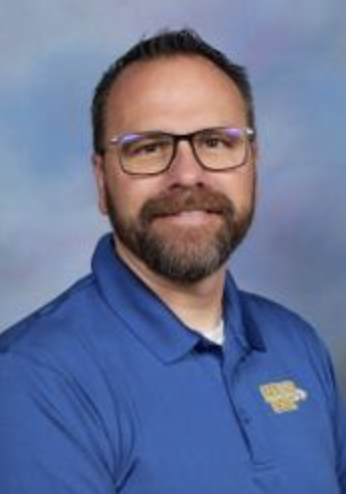
Ryan Wollberg's first promise as superintendent is continuity: protect the relationships and habits that made him want the job, then make room for the district to grow.
Wollberg became superintendent of Grass Lake SD 36↗ET this summer after a planned overlap with predecessor William Newby. The district's announcement of the transition says Wollberg first arrived at Grass Lake as principal. Its current superintendent page now lists him in the district's top role.
"What first drew me to Grass Lake was its people and its culture," Wollberg wrote in response to questions from The ILEdTribune. "From my very first visit when I first interviewed for Principal of the school, it was clear this is a school where relationships matter, students are known by name, and staff genuinely care about one another and our community."
That promise lands in a one-school district whose enrollment has moved differently from Illinois as a whole. On the Illinois Report Card count, Grass Lake grew from 159 students in 2014-15 to 194 in 2024-25, a gain of 35 students, or 22.0%. Statewide enrollment fell 10.0% over the same years, leaving a 32.0-point spread between the percentage changes.
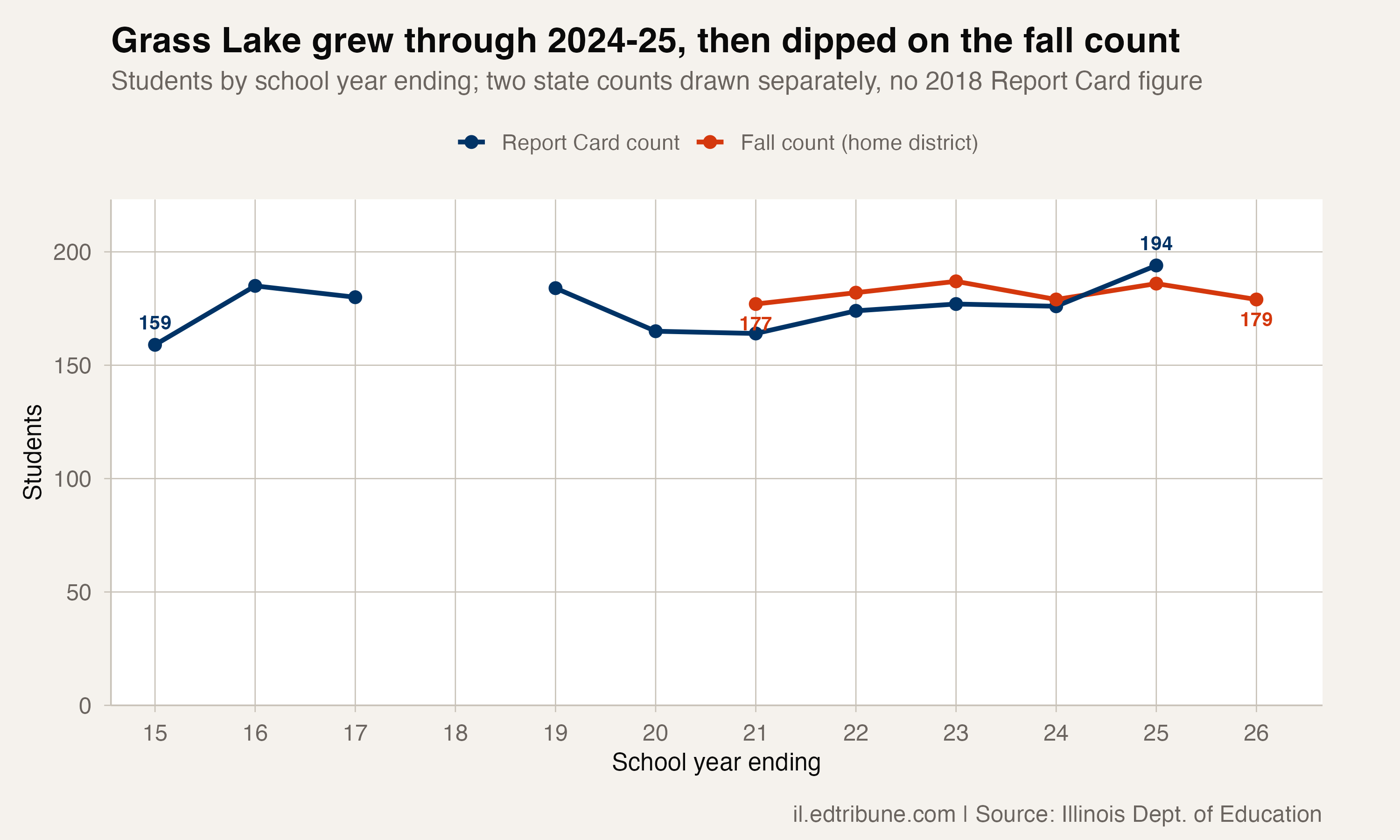
The long-window gain needs a qualification. The 2024-25 figure was the high point of the Report Card record, and the state has not yet published a Report Card count for 2025-26. Its fall enrollment count, which assigns each student to a home district and runs on a different basis, puts Grass Lake at 179 students in 2025-26, down 7, or 3.8%, from 186 a year earlier. On that same count the district had 177 students in 2020-21, so across five years it has stayed between 177 and 187 and finished 2 students higher. Illinois fell 3.8% on the fall count over those five years.
Continuity with a test
The board designed the handoff around continuity. Wollberg said the overlap with Newby taught him that leadership can preserve what works while still opening new opportunities.
"One of the biggest lessons I learned is that successful leadership isn't about changing everything; it's about honoring what makes a district great while continuing to look for opportunities to grow," he wrote. "Families can expect continuity in the values that have made Grass Lake successful: strong relationships, high expectations, a commitment to Project Based Learning, and always putting students first."
Grass Lake's project-based-learning page describes an instructional approach built around real-world challenges and problems. Wollberg placed that approach at the center of his early agenda, alongside staff support and stronger partnerships with families, the community and the Board of Education.
"At the center of every decision is a simple question: 'How does this impact our students?'" he wrote. "If we continue to focus on what's best for kids, I believe everything else will follow naturally."
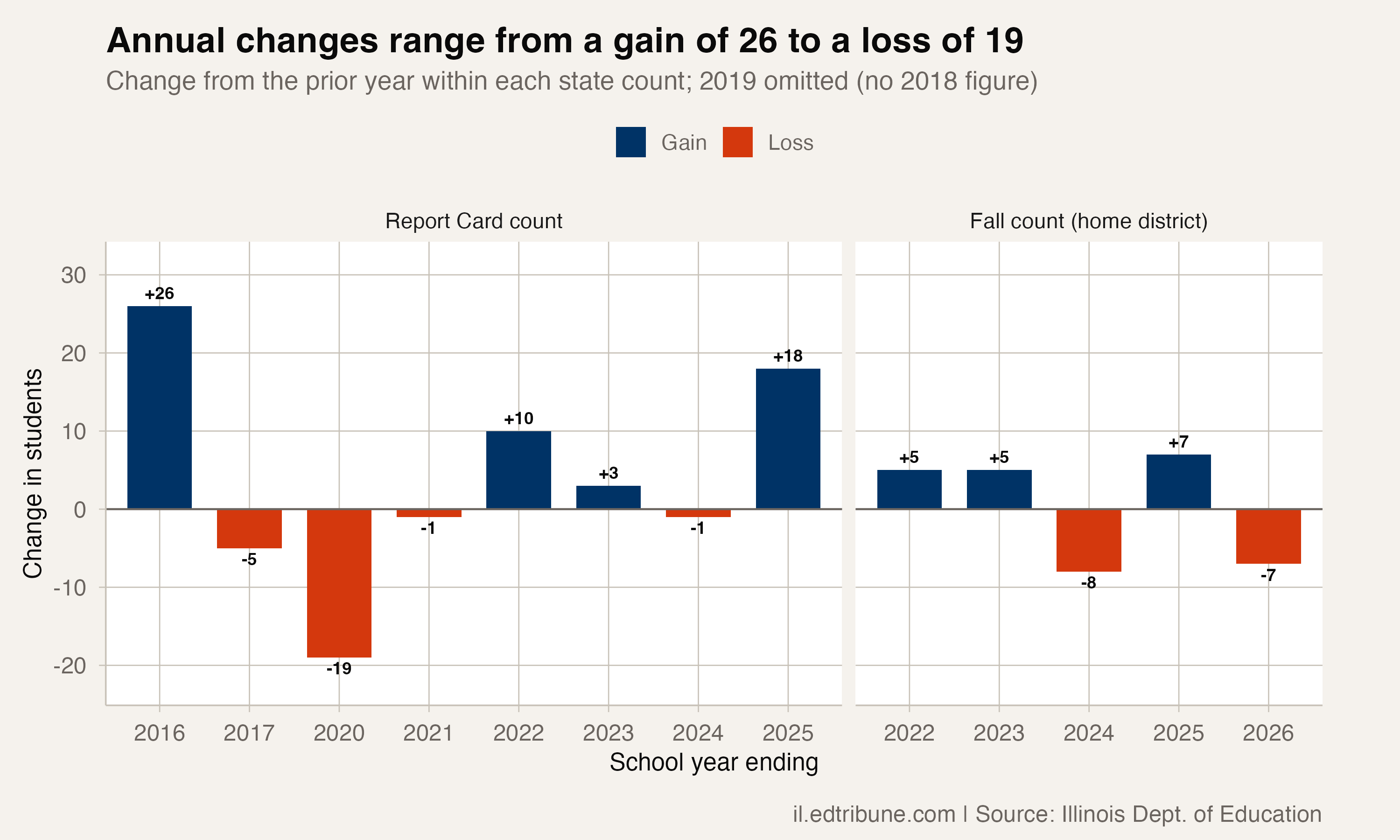
The enrollment record gives that philosophy a practical test. In a district this small, a change of several students can move a percentage sharply, affecting how leaders read staffing or program demand. On the Report Card count, Grass Lake's largest one-year gain was 26 students and its largest one-year loss was 19.
Those swings supply context rather than a diagnosis. The state file counts students but does not explain why families enroll or leave. It also cannot say whether any one program caused the district's long-window growth.
The prekindergarten connection
Wollberg offered one local explanation for the more recent increase.
"We're excited to see our enrollment continue to grow, and much of that increase is the result of our partnership with Emmons School District through our shared Pre-K program," he wrote.
The latest state count complicates the word "continue." On the fall count, Grass Lake added 7 students in 2024-25 and gave back 7 in 2025-26. It also shows why early childhood belongs in the planning conversation. Grass Lake's 179 students in 2025-26 include 19 children in prekindergarten and 160 students from kindergarten through eighth grade. Prekindergarten accounts for 10.6% of the published district total.
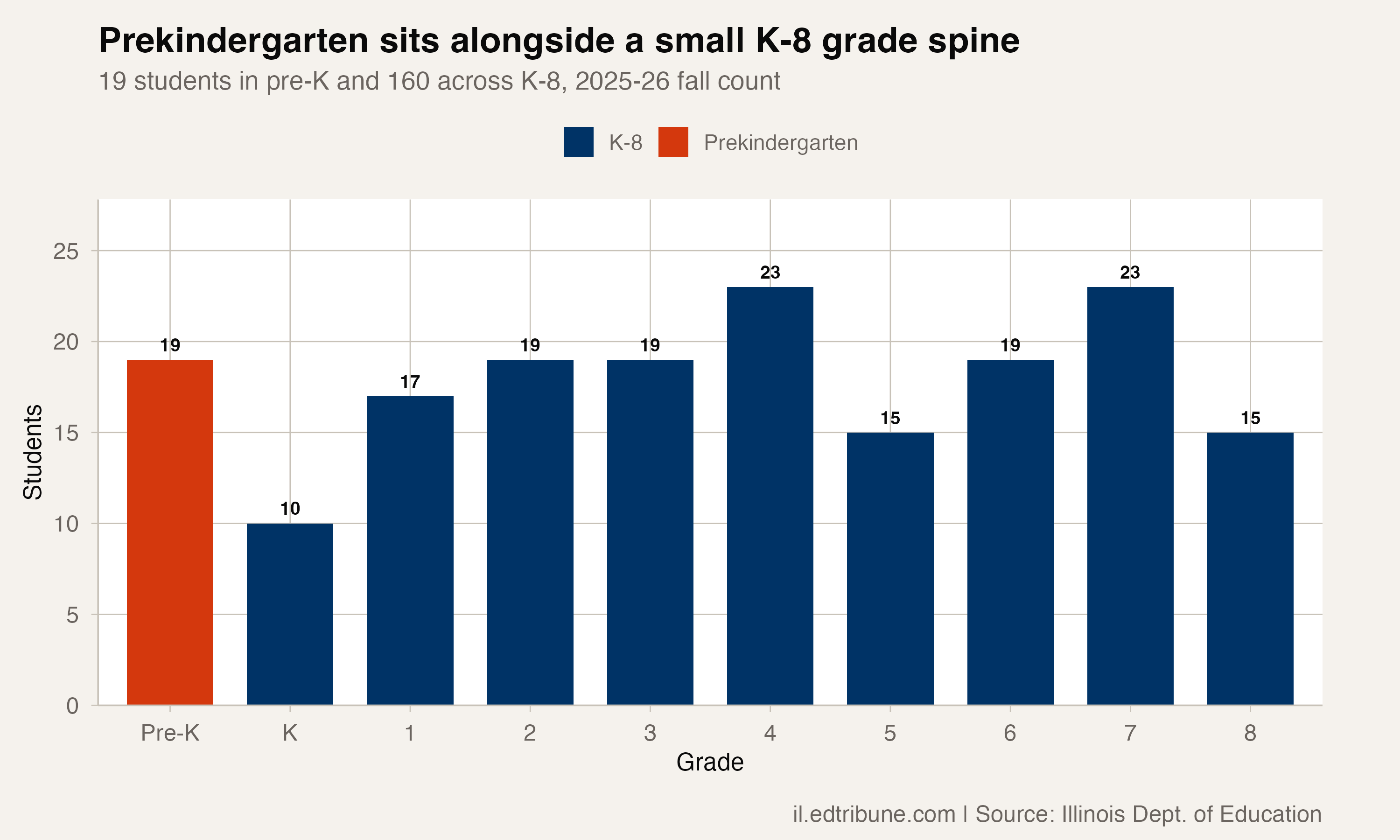
Neither state count identifies the students served through the shared program, so neither can independently measure how much of Grass Lake's enrollment the Emmons partnership accounts for. Wollberg's explanation is direct evidence of how he reads the local change, while the state record establishes the size and shape of the current enrollment.
For Wollberg, the goal as enrollment moves is to keep the experience personal.
"One of our greatest strengths as a small school is that every student is known, valued, and supported by caring adults," he wrote. "We'll continue to thoughtfully invest in our staff, programs, and student supports while preserving the close-knit culture our families value."
That is the balance at the start of his superintendency: a district that grew over the Report Card decade, has held roughly steady on the state's fall count, and is slightly smaller than it was a year ago, and organized around his promise that students remain known and supported as enrollment moves.
Enrollment figures come from the Illinois State Board of Education public enrollment record. Trends through 2024-25 use the Illinois Report Card count, which has no figure for the school year ending in 2018. Figures for 2025-26, and every change ending in 2025-26, use the Fall Enrollment Report on both ends; the two counts are never subtracted from each other and the charts draw them separately. Wollberg responded in writing, and quotations are reproduced from his email.
Detailed code that reproduces the analysis and figures in this article is available exclusively to EdTribune subscribers.
Discussion
Sign in to join the discussion.
Loading comments...